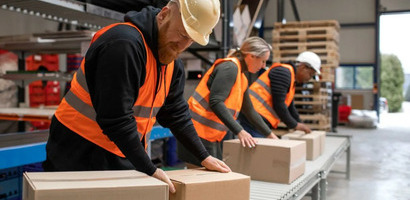
Cross-Docking
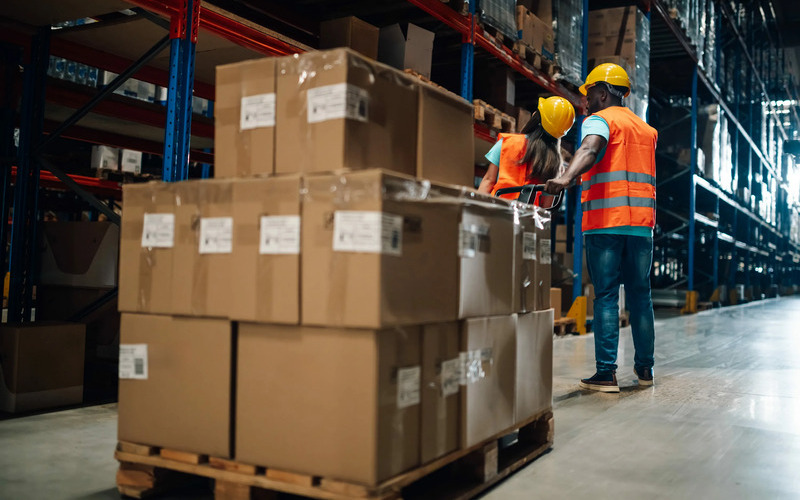
Cross-Docking Services for Fast Product Transfer
Our cross-docking service helps suppliers, sellers and growing businesses move goods from receiving to outbound shipping with minimal storage time. Instead of holding products in warehouse inventory for longer than needed, items are received, checked and routed toward the next delivery or transport stage.
Our Cross-Docking Services Include
Cross-docking is useful when goods need to keep moving. We support the transfer stage by organizing incoming products, preparing them for the correct outbound route and helping reduce unnecessary handling inside the logistics process.
-

Receiving & Transfer – Goods are received and prepared for movement toward the outbound stage without long-term storage.
-
Shipment Sorting – Incoming items can be sorted by order, route, customer, carrier or transport requirement.
-
Outbound Routing – Products are directed toward delivery partners, transport companies, customer destinations or other logistics channels.
-
Minimal Handling – The process is designed to reduce extra storage steps and keep goods moving through the logistics chain.
-
Flow Coordination – We help connect receiving, sorting and outbound movement into one practical workflow.
Solutions & Benefits
Cross-docking gives businesses a faster way to move products when storage is not the main goal. A structured transfer process can help reduce warehouse congestion, shorten handling time and support faster movement between suppliers, sellers and delivery channels.
A direct process for moving goods from inbound receiving to outbound shipment.
- Receiving coordination
- Shipment sorting
- Outbound route planning
- Minimal storage time
Goods can continue toward customers, carriers or transport partners with fewer delays.
- Reduced warehouse holding
- Less unnecessary handling
- Support for larger suppliers
- Cleaner outbound coordination
Whether goods arrive from suppliers, sellers or transport partners, cross-docking helps move them quickly toward the next destination while avoiding extra storage steps where possible.
Benefit Of Service
-
Reduced Storage Time – Goods can move through the facility without staying in long-term warehouse inventory.
-
Faster Outbound Movement – Products can be sorted and transferred toward delivery or transport channels more efficiently.
-
Supplier Support – Larger suppliers and businesses can move goods through a direct transfer process instead of relying only on storage-based fulfillment.
Working Process
The process starts when goods arrive at the receiving point. Items are checked in, sorted by route or shipment requirement and prepared for transfer toward the outbound stage.
Depending on the workflow, products may be routed to customers, carriers, transport companies, marketplace logistics channels or another business destination. The goal is to reduce idle time and keep goods moving.
Frequently Asked Questions
Here are answers to common questions about cross-docking, transfer handling, shipment sorting and outbound routing.
Explore Our Services

Reliable Logistics & Fulfillment Support
(772) 800-1802
1860 SW Fountainview Blvd, Suite 100, Port St Lucie, FL 34986
mail@dvrybird.com